
Treks by
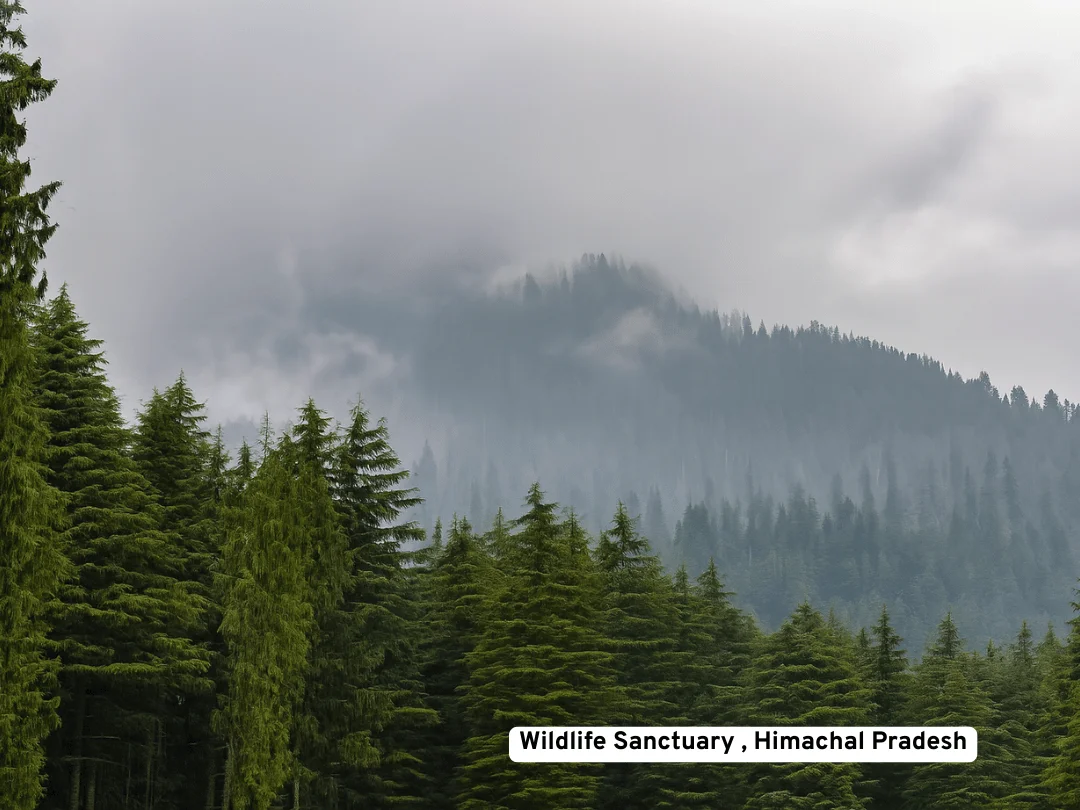
The best time to explore Manali Wildlife Sanctuary is from April to June and September to November. These months offer clear skies, pleasant weather, and better chances of spotting wildlife. Monsoon (July–August): The forest becomes dense and green, but heavy rains can make trails slippery. Winter (December–February): Higher areas get snow-covered, which can limit access but offer a unique landscape for those prepared for the cold.
By Road: The sanctuary is located just 2 km from Manali Mall Road, making it easily accessible by taxi, auto-rickshaw, or even on foot. Local transport services are available throughout the day. By Foot: Adventurous visitors can walk from Manali through marked forest trails, enjoying the deodar-lined paths and fresh mountain air. By Air: The nearest airport is Bhuntar (Kullu-Manali Airport), about 50 km from Manali. From there, buses and taxis are available to reach the sanctuary. By Rail: The nearest major railway stations are in Chandigarh and Ambala. From there, you can take a bus or taxi to Manali.
{}
2,030 to 4,020 meters
Manali Wildlife Sanctuary is a peaceful and green haven located just a short distance from Manali town. Spanning over forested hills and alpine terrain, the sanctuary is home to a variety of Himalayan wildlife including musk deer, Himalayan black bear, flying squirrels, and several species of birds like the monal and koklass pheasant. Covered with dense deodar, oak, and pine trees, the sanctuary offers a quiet escape into nature. It’s a perfect spot for trekking, nature walks, birdwatching, and photography. With its close proximity to Manali and serene environment, this sanctuary is a must-visit for nature and wildlife lovers.
The Manali Wildlife Sanctuary is a pristine natural reserve located just 2 kilometers from Manali town in Himachal Pradesh. Spread across an area of approximately 32 square kilometers, the sanctuary offers a rich mix of dense forests, alpine meadows, and high-altitude wildlife, making it one of the most accessible yet rewarding wilderness experiences in the region.
Established to protect the fragile Himalayan ecosystem, the sanctuary is covered with thick vegetation consisting mainly of deodar, kail, walnut, horse chestnut, and maple trees. These woodlands create a cool and shaded environment ideal for trekking, photography, and spotting wildlife.
The sanctuary is home to a diverse range of Himalayan fauna. Visitors may spot:
Musk deer hiding among the trees
Himalayan black bears roaming the slopes
Goral (mountain goats) and ibex at higher altitudes
A variety of pheasants, including the vibrant Himalayan monal, koklass, and chukar partridge
Birdsong fills the forest in the mornings, and the occasional rustle in the underbrush hints at elusive creatures moving in the shadows.
Manali Wildlife Sanctuary offers marked trails ideal for short treks and nature walks. The area is less commercialized than other parts of Manali, giving visitors a chance to truly connect with nature. Some trails even connect to high-altitude glaciers and alpine camps, making it a great starting point for adventure enthusiasts.
While there are no luxury resorts inside, camping is permitted in designated areas, allowing nature lovers to experience the forest at night under starlit skies. Activities include:
Wildlife photography
Birdwatching
Guided nature treks
Educational eco-walks
The sanctuary is generally open daily from 9:00 AM to 6:00 PM.
Entry Fee: Nominal, varies slightly for Indian and foreign visitors.
Best Time to Visit: April to June and October to November, when the weather is pleasant and visibility is clear.
Whether you're an adventure seeker, a birdwatcher, or someone just looking to relax in nature, the Manali Wildlife Sanctuary offers a refreshing retreat into the untouched beauty of Himachal's forests.
The Manali Wildlife Sanctuary was officially established in the mid-20th century to preserve the natural ecosystem surrounding the upper catchment area of the Manalsu River. Located just a short distance from Manali town, the sanctuary has played an important role in protecting the region’s biodiversity, especially Himalayan flora and rare wildlife species. Over the years, it has become a conservation zone as well as a tranquil retreat for visitors interested in nature and wildlife.