
Treks by
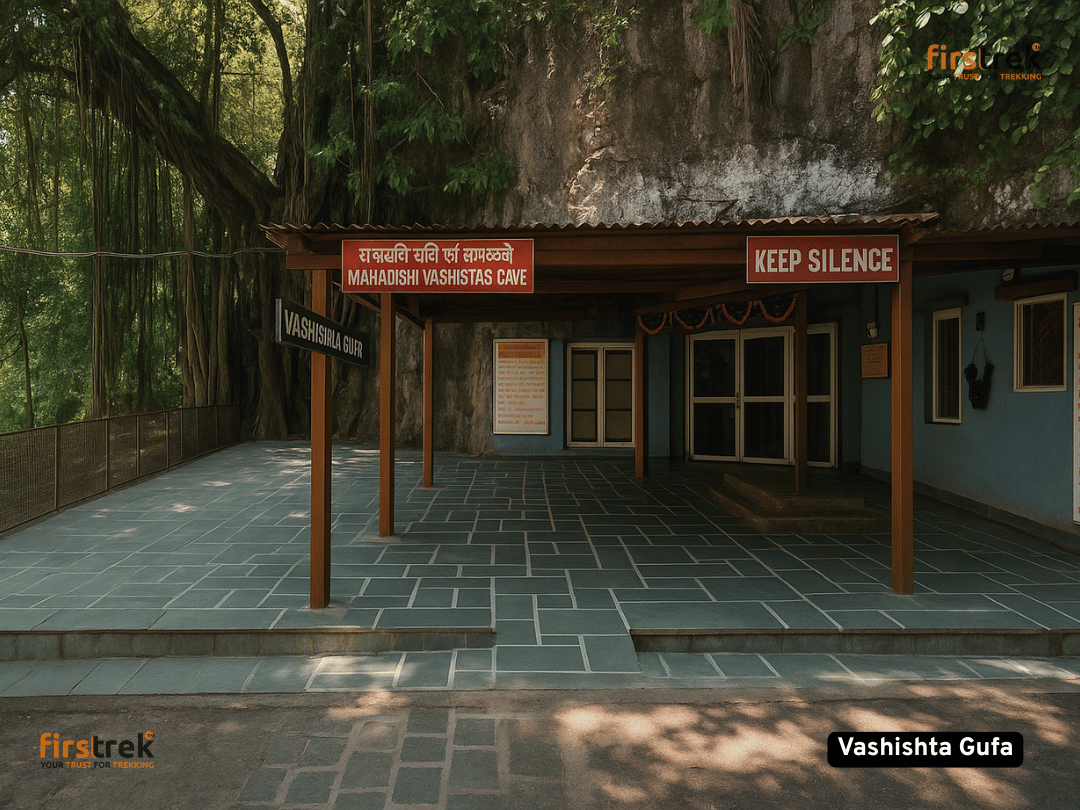
October to April is the best time to visit Vashishta Gufa. The weather is cool, the riverbanks are scenic, and the spiritual energy is high due to fewer crowds. Avoid monsoon (July–September) due to the risk of landslides and slippery trails.
By Road: Located 25 km from Rishikesh on Badrinath Road near Gular village. Taxis, autos, or self-drive cars can reach close to the entrance. Last Stretch: A short 5–10 minute forest walk (about 300 meters) from the roadside brings you to the cave. Nearest Railway Station: Rishikesh Railway Station (~25 km) Nearest Airport: Jolly Grant Airport, Dehradun (~45 km)
{}
465 meters
Vashishta Gufa (also spelled Vashistha Cave) is an ancient cave located on the banks of the holy Ganga River, around 25 km from Rishikesh towards Devprayag. It is believed that Maharishi Vashishta, one of the seven great sages (Saptarishis) of Hindu mythology, meditated here after the death of his children. The cave has a deep spiritual aura, and the atmosphere inside remains calm, dark, and vibration-rich, making it one of the most popular spots for meditation. The cave is maintained by a nearby ashram, and entry is free. There's also a Shivlinga inside the cave.
Vashishta Gufa is an ancient, naturally formed cave located on the banks of the holy Ganga River, around 25 km from Rishikesh on the Badrinath Highway. This sacred site is believed to be the meditation spot of Maharishi Vashishta, one of the revered Saptarishis (seven great sages) in Hindu mythology. After the tragic death of his children, Sage Vashishta chose this serene riverside location for deep penance and spiritual realization.
The cave is dark and tranquil inside, perfect for silent meditation. There's a naturally revered Shivlinga at the back of the cave, and the vibration inside is known to promote intense stillness and introspection. Managed by the Swami Purushottamananda Ashram, the site remains clean and accessible, attracting both Indian and international seekers.
Vashishta Gufa is deeply rooted in Hindu mythology. According to ancient texts, Sage Vashishta, one of the revered Saptarishis, retreated to this cave for deep meditation after enduring the loss of his children. It is believed that his penance and spiritual practices were so profound that the cave became a space charged with divine energy. The cave remained hidden and sacred for centuries, only to be revived in modern times by Swami Purushottamananda Ji, a revered saint who established a nearby ashram and began maintaining the cave for public access. The presence of a Shivlinga inside the cave symbolizes its importance as a sacred site for Shaivites and yogis alike.