
Treks by
Spring to Early Summer (March to June): The weather is clear, temperatures are moderate, and the surroundings are lush and welcoming. Autumn (September to November): The air is crisp, and the landscape is vibrant with post-monsoon freshness and fewer tourists. Winter (December to February): Snowfall adds to the charm, but roads may be slippery and cold weather gear is essential.
By Air: The nearest airport is Kangra Airport (Gaggal), around 135 km away. Taxis and buses are available to reach Dalhousie from there. By Train: Pathankot Railway Station, about 80 km from Dalhousie, is the closest major railhead. From Pathankot, buses and private cabs run frequently. By Road: Dalhousie is well connected by road to major cities in Punjab and Himachal. Once in Dalhousie, Subhash Baoli is just a 10–15 minute walk from Gandhi Chowk.
{}
2,040 m meters
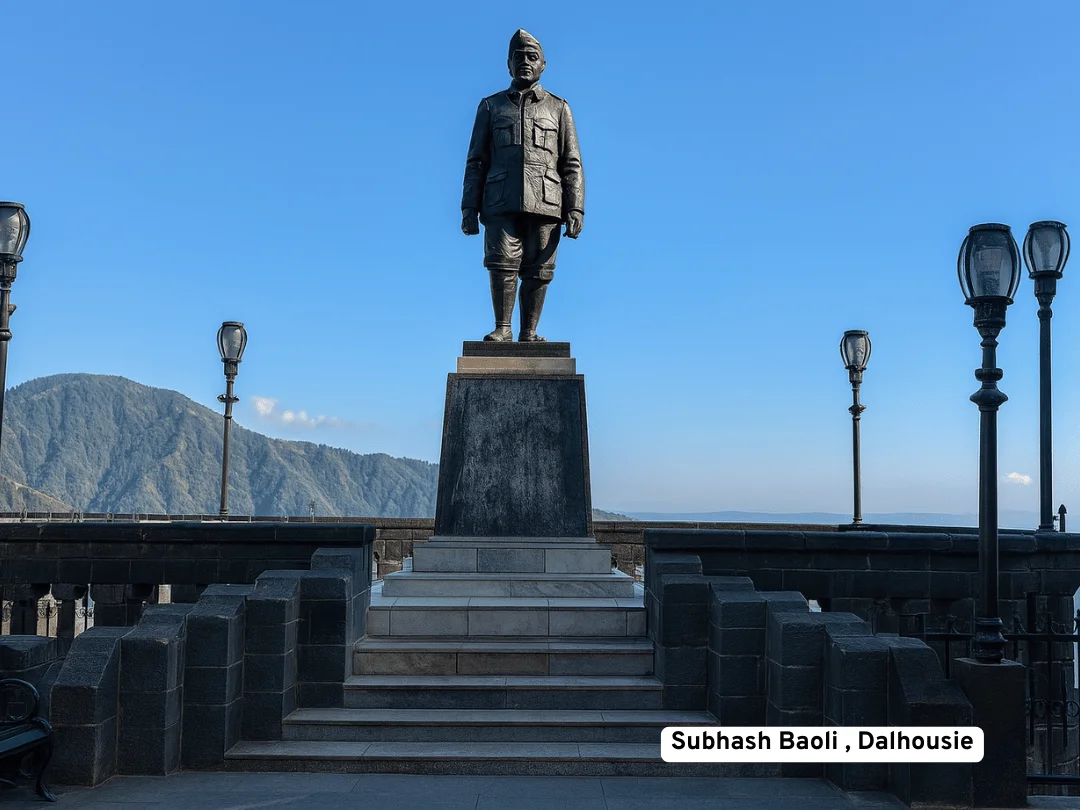
Subhash Baoli is a serene and scenic spot located around 1 kilometer from Gandhi Chowk in Dalhousie, Himachal Pradesh. Surrounded by tall deodar trees and overlooking the distant Himalayan peaks, it is known for its peaceful atmosphere and natural spring water. The place holds historical importance as it is associated with Netaji Subhash Chandra Bose, who spent time here in 1937 to recover from illness. It is believed that the clean, mineral-rich spring water contributed to his recovery. Today, a small memorial stands at the site to honor his memory. Subhash Baoli is a perfect place for nature lovers and those seeking a quiet retreat. The gentle sound of flowing water, cool mountain breeze, and surrounding greenery make it ideal for meditation, leisurely walks, or simply relaxing.
Subhash Baoli is a peaceful and picturesque natural spring located just about 1 kilometer from Gandhi Chowk, the bustling center of Dalhousie in Himachal Pradesh. Nestled amid thick groves of deodar and pine trees, this serene location is known not only for its natural beauty but also for its deep historical significance.
The place derives its name from Netaji Subhash Chandra Bose, one of India's most revered freedom fighters. In 1937, Netaji visited Dalhousie to recover from ill health. During his stay, he would often come to this quiet spot and drink water from the natural spring, which locals believe had healing properties. The calm surroundings and pure mountain air contributed to his physical and mental rejuvenation. As a tribute to his time spent here, the spot was later named Subhash Baoli.
Today, visitors to Subhash Baoli are greeted by a memorial dedicated to Netaji, a cemented walkway, and benches for sitting and enjoying the fresh air. The gurgling sound of spring water, the chirping of birds, and the cool breeze make it a perfect spot for meditation, reflection, and relaxation.
The spring continues to flow throughout the year, and locals still believe in its purity and medicinal value. Though simple in its appearance, Subhash Baoli carries a powerful blend of nature and nationalism. It’s not just a tourist spot but a symbol of India’s freedom struggle and the personal resilience of a great leader.
Whether you are a history enthusiast, a nature lover, or simply a traveler looking for a quiet retreat, Subhash Baoli offers a soulful experience. It’s one of those hidden gems in Dalhousie that leave a lasting impression with their tranquility and emotional depth.
Subhash Baoli holds historical significance due to its association with Netaji Subhash Chandra Bose, a prominent leader of India’s freedom movement. In 1937, Netaji came to Dalhousie for health recovery and often visited this serene spring. Locals believe that the mineral-rich water of the spring had healing properties, which helped improve his condition. In memory of his stay, the area was named “Subhash Baoli.” A memorial has since been established here, honoring his legacy and his connection with this peaceful corner of Himachal Pradesh.