
Treks by
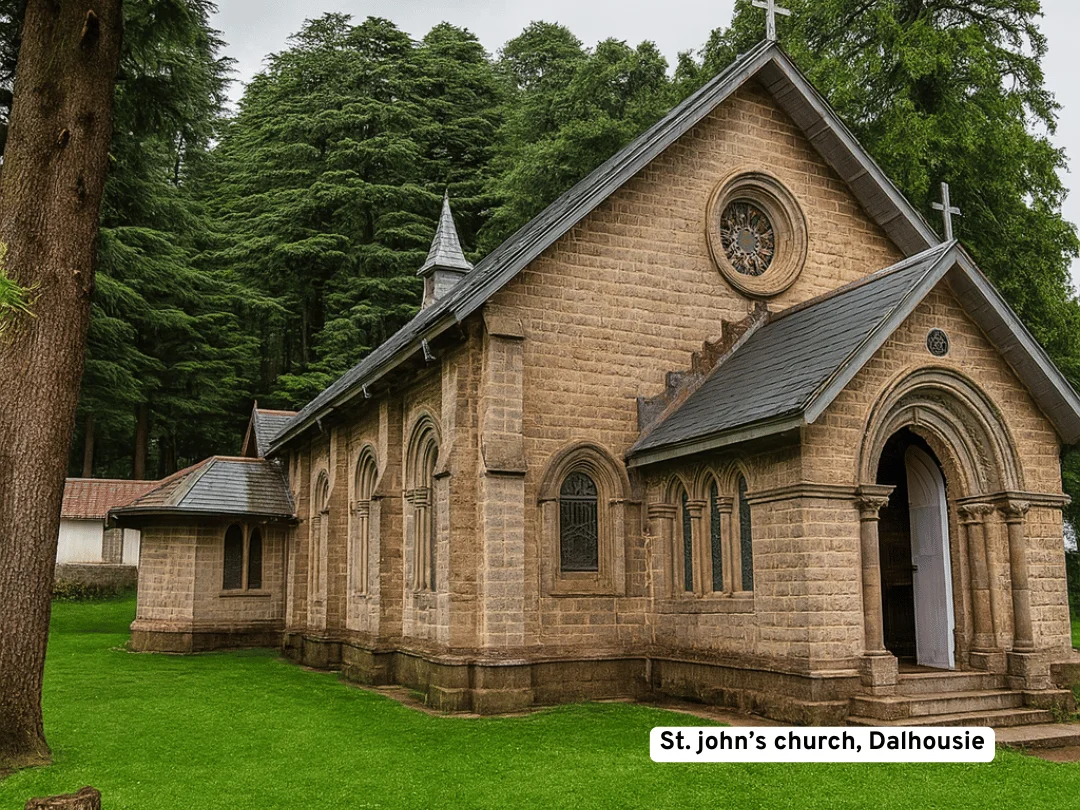
The ideal time to visit St. John’s Church is from March to June and September to November, when the weather is pleasant, skies are clear, and the surrounding greenery enhances the colonial charm of the area. Winter visits can also be scenic with snow, but access might be limited.
By Road: The church is located just a short walk from Gandhi Chowk (500 meters) in the heart of Dalhousie. Taxis and private vehicles can drop visitors nearby. By Rail: The nearest railway station is Pathankot (80 km). From there, taxis and buses are available to Dalhousie. By Air: The nearest airport is Kangra Airport (Gaggal), approx. 108 km away. Chandigarh Airport (320 km) is another well-connected option.
{}
2,090 meters
St. John’s Church is the oldest church in Dalhousie, built in 1863 during British rule. Located near Gandhi Chowk, it is a beautiful example of neo-Gothic architecture, featuring tall arched windows, stone walls, and a peaceful garden surrounding it. The church not only serves as a place of worship but also reflects the town’s colonial heritage. Popular among history enthusiasts and photographers, it offers a quiet retreat and scenic views of the nearby hills. A Sunday service is still held, drawing both locals and tourists, making it a must-visit landmark in Dalhousie.
Nestled amidst the pine-covered slopes near Gandhi Chowk, St. John's Church is the oldest and one of the most iconic churches in Dalhousie, Himachal Pradesh. Built in 1863 during the British colonial era, the church stands as a beautiful example of neo-Gothic architecture, blending spiritual significance with historical charm.
The church was established by British Protestants and continues to serve the Christian community to this day. Surrounded by manicured lawns, towering deodars, and colonial cottages, the atmosphere here is serene, contemplative, and picturesque.
St. John’s Church features:
Tall arched windows with stained glass panels
Pointed spires and sloped rooflines typical of 19th-century Gothic revival styles
Wooden interiors that add warmth to the otherwise stone structure
A small library and church museum showcasing historical photographs and records
The church exudes old-world charm and is a peaceful refuge not just for prayer but also for quiet reflection, reading, or simply enjoying the surrounding natural beauty.
Its location near the bustling Gandhi Chowk makes it easily accessible yet remarkably peaceful. From the church grounds, visitors get panoramic views of the misty hills, adding to the spiritual and scenic ambiance.
Although rooted in Anglican traditions, the church welcomes visitors of all faiths. Sunday services are held regularly, with both locals and tourists attending. During Christmas and Easter, the church is beautifully decorated, and hymns fill the air—offering a rich cultural experience for visitors.
A favorite spot for photographers, historians, and architecture enthusiasts
Often included in heritage walks around Dalhousie
Frequently featured in travel films, pre-wedding shoots, and documentaries
The tranquility of the church, combined with its artistic features and lush surroundings, makes it a must-visit spot on any Dalhousie itinerary.
Open Timings: Usually from 7 AM to 5 PM; closed during harsh winter weather
Entry Fee: None (donations welcome)
Best Time to Visit: March–June and September–November for clear views and pleasant weather
Nearby Attractions: Gandhi Chowk, Subhash Baoli, St. Francis Church, and the Tibetan Market
St. John’s Church was established in 1863 by British Protestants and is the oldest church in Dalhousie. Built during the British Raj, the church served as a place of worship for officers, missionaries, and families residing in the hill station. Its neo-Gothic architectural style—featuring pointed arches, stained glass windows, and stone masonry—reflects colonial religious architecture of the 19th century. The church has withstood the test of time and remains a prominent symbol of British colonial heritage in Himachal Pradesh. Over the years, it has transformed from a missionary hub to a historical monument admired by travelers, historians, and photography enthusiasts alike.