
Treks by
October to March is considered the best time to visit Srinagar, Uttarakhand. The weather during these months is pleasant, ideal for sightseeing, festivals, and spiritual visits. Summer months (April to June) are moderately hot, while the monsoon season (July to September) may lead to occasional landslides in the region.
By Road: Srinagar is well-connected by road via NH-58 (now NH-7) and lies en route to Badrinath and Kedarnath. Regular buses and taxis are available from Haridwar, Rishikesh, Dehradun, and Delhi. By Rail: Nearest Railway Station: Rishikesh (approx. 105 km) Second nearest: Haridwar (approx. 130 km) By Air: Nearest Airport: Jolly Grant Airport, Dehradun (approx. 125 km) Taxis and buses are easily available from the airport.
{}
560 meters
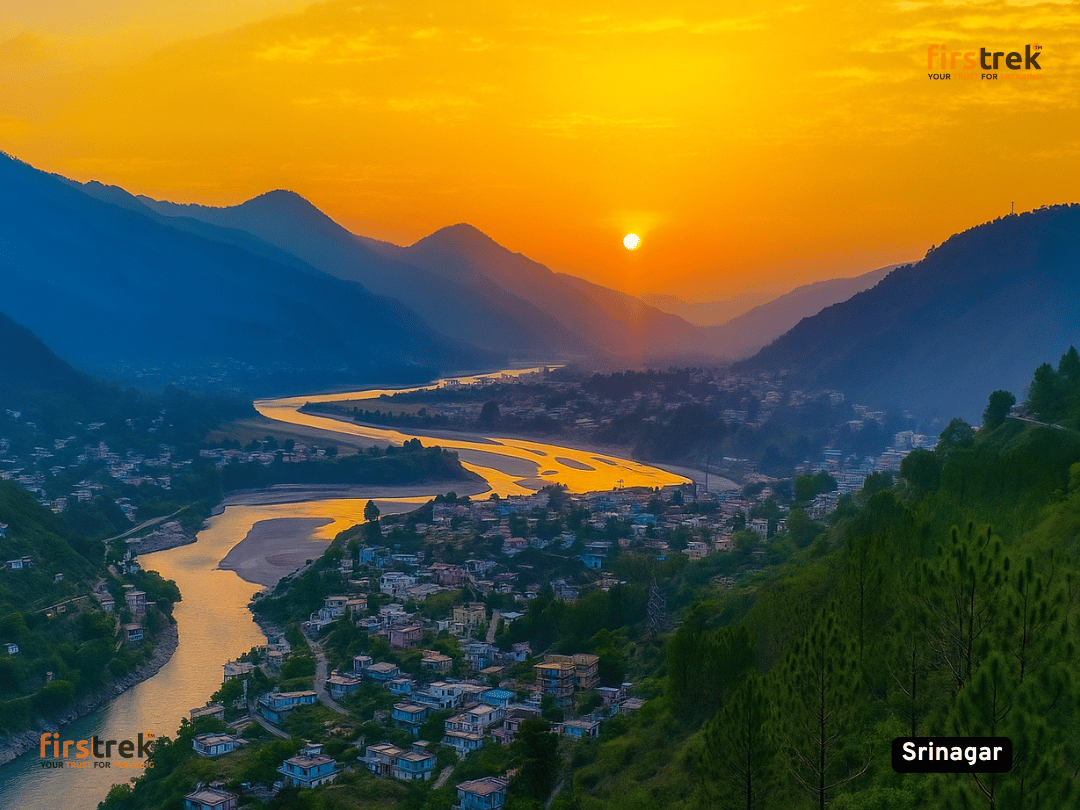
Srinagar, located in the Pauri Garhwal district of Uttarakhand, India, is a historic town nestled along the banks of the Alaknanda River. At an elevation of approximately 560 meters (1,837 feet), it stands as the largest city in the Garhwal Hills and serves as a significant cultural, educational, and spiritual hub in the region.
Srinagar is a picturesque and historically rich town located on the serene banks of the Alaknanda River in Pauri Garhwal, Uttarakhand. Often referred to as the "Heart of Garhwal", it serves as a major educational, spiritual, and cultural hub of the region. Unlike its Kashmiri namesake, this Srinagar is known for its unique blend of spirituality, ancient temples, Himalayan views, and academic institutions.
Srinagar was once the capital of the Garhwal Kingdom, established in the 14th century by King Ajay Pal. Strategically located on the banks of the Alaknanda River, it flourished as a political, spiritual, and commercial center until 1803, when a massive landslide and subsequent flood led to its devastation. During British rule, the town was rebuilt, and over the decades, it evolved into a modern educational and cultural hub.