
Treks by
March to June: Ideal weather with blooming orchards and clear skies September to November: Apple harvest season and pleasant autumn scenery December to February: Cold and snowy—great for offbeat winter travel (may face road issues) Avoid July–August: Due to heavy rainfall and occasional landslides in the region
By Air: Nearest Airport: Shimla Airport (~240 km) Travel by road from Shimla via NH-5 to Reckong Peo, then hire a cab to Ribba By Train: Nearest Railway Station: Kalka (~280 km) Continue by road via Shimla – Rampur – Reckong Peo – Ribba By Road: Ribba is accessible via the Hindustan–Tibet Road (NH-5) Local buses, shared taxis, and private vehicles are available from Reckong Peo Final stretch involves a scenic drive through narrow mountain roads
{}
2,500 meters
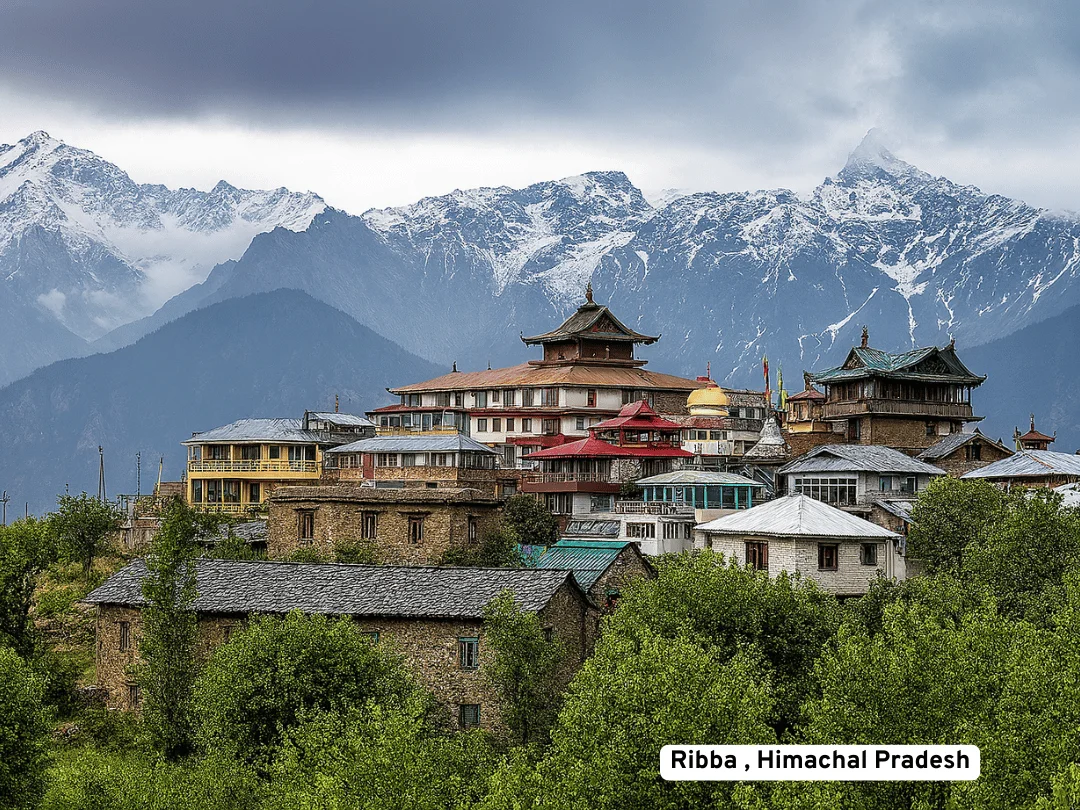
Ribba is a small, tranquil village nestled in the Kinnaur district of Himachal Pradesh, perched above the serene Baspa River. Sitting at an altitude of around 2,500 meters, Ribba offers sweeping views of apple orchards, pine forests, and distant Himalayan peaks. Known for its peaceful atmosphere, traditional wooden homes, and warm Kinnauri hospitality, this village is ideal for travelers seeking an authentic taste of rural Himalayan life without the crowds. From Ribba, you can enjoy serene nature walks, interact with local families, and experience the rhythms of mountain village life.
Ribba, also known locally as Rirang, is a hidden gem tucked away in the Kinnaur district of Himachal Pradesh. Located at an altitude of approximately 2,500 meters, Ribba is a peaceful mountain village surrounded by apple orchards, thick pine forests, and dramatic Himalayan cliffs. It lies off the main tourist trail, making it a perfect escape for those seeking raw nature, cultural immersion, and quietude.
Ribba offers breathtaking views of the Sutlej River Valley, terraced farms, and nearby snow-covered peaks. The landscape is dotted with apple and apricot orchards, vineyards, and traditional wooden homes that reflect classic Kinnauri architecture. The cool mountain air and lack of commercialization make Ribba a perfect retreat for nature lovers, artists, and spiritual seekers.
The village is home to the Kinnauri community, known for their gentle nature, deep spirituality, and vibrant traditions. Locals primarily engage in horticulture, especially apple farming and grape cultivation. Ribba is also known for producing Angoori, a local alcoholic drink made from fermented grapes.
Wood-carved temples and old stone structures stand quietly in the village, showing the blend of Hinduism and Tibetan Buddhism that defines much of Kinnaur’s culture. Traditional attire, folk music, and seasonal festivals are part of everyday life here.
Village Walks: Explore narrow lanes, orchards, and wooden homes
Photography: Capture stunning vistas and authentic village life
Fruit Tasting: Enjoy fresh apples, apricots, and grape-based local products
Spiritual Sites: Visit local temples and interact with elders to understand traditions
Nature Trails: Short hikes through pine forests and riverside paths
March to June: For blooming orchards, pleasant weather, and farming activity
September to November: Harvest season with crisp air and clear skies
December to February: Snowfall possible; ideal for snow lovers but roads may be limited
Avoid July–August: Due to monsoon rains and risk of landslides
Ribba, locally known as Rirang, has deep historical roots in the cultural fabric of Kinnaur district. The village has long been part of the Bushahr princely state, which once ruled much of this region. Its strategic location on the ancient Indo-Tibetan trade route helped Ribba develop early exposure to cross-border cultural influences, especially from Tibetan Buddhism. Though a small village, Ribba has preserved its unique identity through generations of traditional farming, religious customs, and mountain craftsmanship.