
Treks by
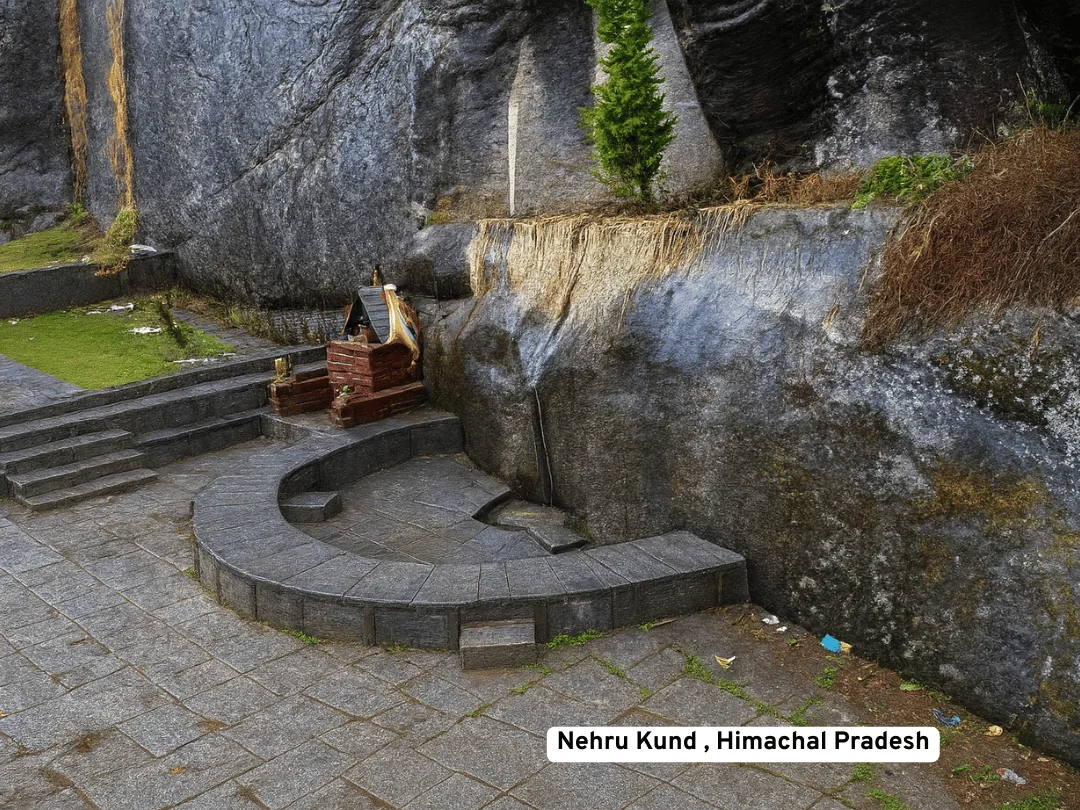
The most suitable time to visit Nehru Kund is from May to October, when the weather is pleasant and the surroundings are lush and vibrant. During this period, roads remain open and skies are usually clear, offering a perfect setting to enjoy the natural spring. Avoid the peak monsoon months (July–August) due to chances of slippery roads. Winters (December–February) offer snowfall views but can make access challenging.
By Road: Nehru Kund is located just 5 kilometers from Manali on the Manali–Leh Highway. It can be reached within 10–15 minutes by local taxi, private car, or even by scooter or bike. On Foot: Adventurous travelers often enjoy a short walk or hike to Nehru Kund from Manali, enjoying pine forests and roadside charm. By Public Transport: State-run and private buses heading toward Solang or Rohtang Pass often pass by the spot. You can request a drop-off near the spring.
{}
2,050 meters
Nehru Kund is a peaceful natural spring located around 5 km from Manali on the route to Rohtang Pass. Named after India’s first Prime Minister, Pandit Jawaharlal Nehru, who is said to have regularly stopped here to drink its pure water, the spring is fed by glacial waters from the nearby Bhrigu Lake. Surrounded by pine trees and snow-covered mountains, it offers a refreshing break for travelers heading towards higher Himalayan passes. Its crystal-clear water, cool climate, and quiet setting make it a popular stop for tourists and nature lovers seeking serenity amidst mountain beauty.
Nehru Kund is a serene natural spring located about 5 kilometers from Manali on the way to Rohtang Pass, along the scenic Manali–Leh highway. Tucked away in the lap of the Himalayas, this cold-water spring is known for its crystal-clear glacial water and peaceful surroundings. The spring gets its name from Pandit Jawaharlal Nehru, the first Prime Minister of India, who was fond of drinking water from this very spot during his visits to Manali.
Fed by underground streams originating from Bhrigu Lake, Nehru Kund holds both natural and historical significance. The water is icy cold, pure, and believed to have rejuvenating properties, making it a refreshing stop for travelers heading into higher altitudes. The spring flows gently through the rocks and greenery, surrounded by tall deodar and pine trees, adding to the calm and refreshing atmosphere.
This spot is not just about natural beauty but also a cultural marker that connects India's political history with Himachal’s natural landscapes. It offers a perfect break for nature lovers, photographers, and road-trippers, especially during the warmer months.
Nehru Kund is easy to access and free to visit. There's no ticket required, and visitors can enjoy the simple joy of sipping cool mountain water, listening to the rustle of trees, and admiring the snow-capped peaks in the distance. It's not a commercial tourist spot, which makes it even more appealing to those looking for quiet and less crowded experiences.
Nehru Kund is named after Pandit Jawaharlal Nehru, India’s first Prime Minister, who frequently visited Manali and was known to stop and drink water from this very spring. The spring, which flows from the higher Himalayan region, is said to originate from Bhrigu Lake, a glacial lake considered sacred in Hindu tradition. Over time, this spot gained quiet recognition—not only for its clean water but for its connection to India’s post-independence legacy. While the spring itself holds no ancient temple or structure, its relevance lies in the simplicity and purity of the Himalayan natural heritage and its subtle connection to modern Indian history.