
Treks by
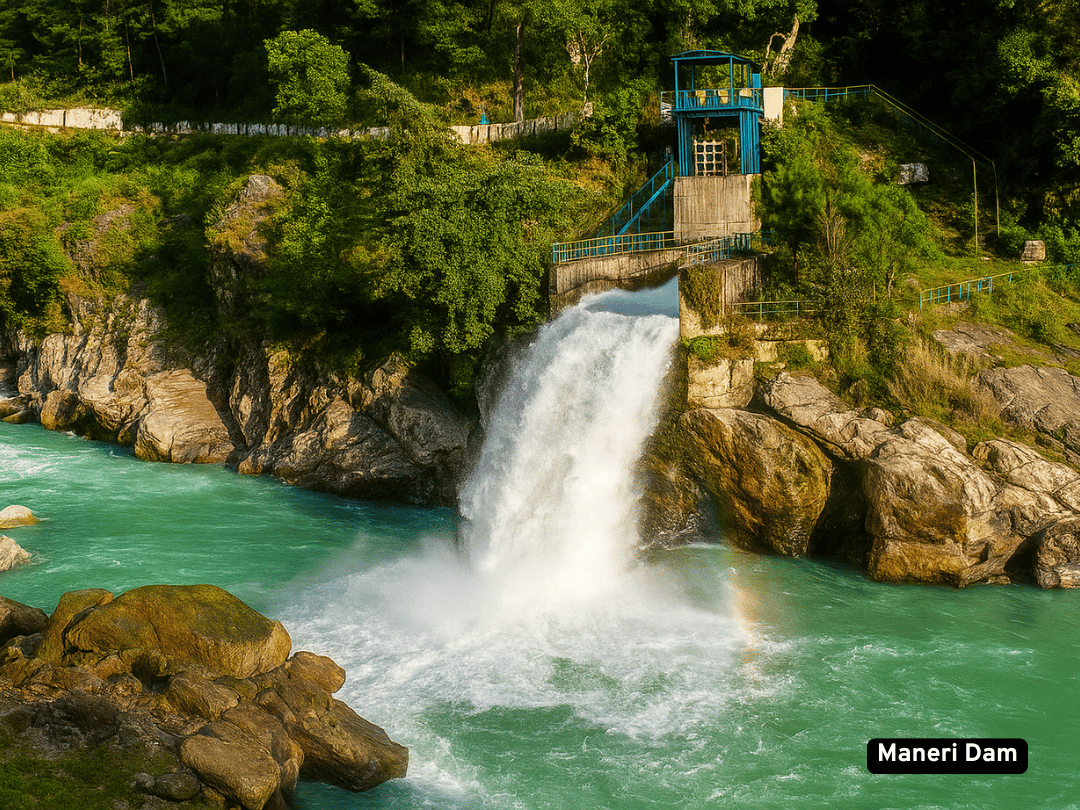
The ideal time to visit Maneri Dam is from October to June. The weather is pleasant and clear, making it perfect for sightseeing and photography. Avoid the monsoon months (July–September) due to risk of landslides and heavy rains.
By Road: Maneri Dam is about 8.5 km from Uttarkashi town, accessible via taxi or private vehicle. The road is scenic and well-paved. By Rail: The nearest railway station is Dehradun (approx. 145 km), connected to major cities like Delhi and Haridwar. By Air: The nearest airport is Jolly Grant Airport, Dehradun (about 160 km away). Taxis and shared cabs are available to reach Uttarkashi and onward to Maneri.
{}
1,220 meters
Maneri Dam is a concrete gravity dam built across the Bhagirathi River in the picturesque village of Maneri, located about 8.5 kilometers from Uttarkashi town in Uttarakhand. Part of the Maneri Bhali Hydroelectric Project Stage I, this dam plays a crucial role in generating hydroelectric power for the region. Completed in 1984, it diverts river water through a long tunnel to the Tiloth Power Station, producing 90 MW of clean electricity.
The area around Maneri Dam is popular for short walks, boating (when permitted), and serves as a base for exploring nearby treks and holy sites. It is especially picturesque during sunrise and sunset when the water reflects the surrounding natural beauty. Surrounded by dense forests and snow-capped Himalayan peaks, the dam site is not only a symbol of engineering excellence but also a serene tourist destination. The calm reservoir, gushing waters, and panoramic mountain views make it an ideal spot for nature lovers, photographers, and those seeking peace away from city life.
Engineering heritage: Maneri Dam was conceptualized in the 1960s as part of the Maneri‑Bhali Hydroelectric Project and commissioned in 1984 (Stage I); Stage II followed with the Dharasu–Bhali dam by 2008 From pilgrimage route to tourist attraction: Originally serving pilgrims trekking toward Gangotri, the dam and its reservoir later evolved into a scenic spot for picnics, fishing, boating, trekking, and even camping by the 2000s as access and facilities improved