
Treks by
Ideal seasons: March to June and September to November, offering pleasant weather and clear skies Summers (April–June): daytime temperatures range from ~15 °C to ~30 °C Winters are chilly (0 °C to 10 °C), with occasional frost .
By Road: Located on the Pithoragarh highway, Lohaghat is well‑connected. From Delhi: approx. 425 km (~10–12 hrs) via Ghaziabad → Moradabad → Rampur → Rudrapur → Tanakpur → Champawat → Lohaghat Regular buses to Tanakpur from ISBT Anand Vihar, followed by local taxi/bus to Lohaghat By Rail: Nearest station: Tanakpur Railway Station, ~60 km away. Well-connected to major cities—Delhi, Lucknow, Kolkata. Taxis and buses are available onward to Lohaghat . By Air: Nearest airport: Pantnagar Airport, ~160 km away. Limited flights from Delhi (around 4 per week). Taxis or buses available to Lohaghat
{}
1,788 meters
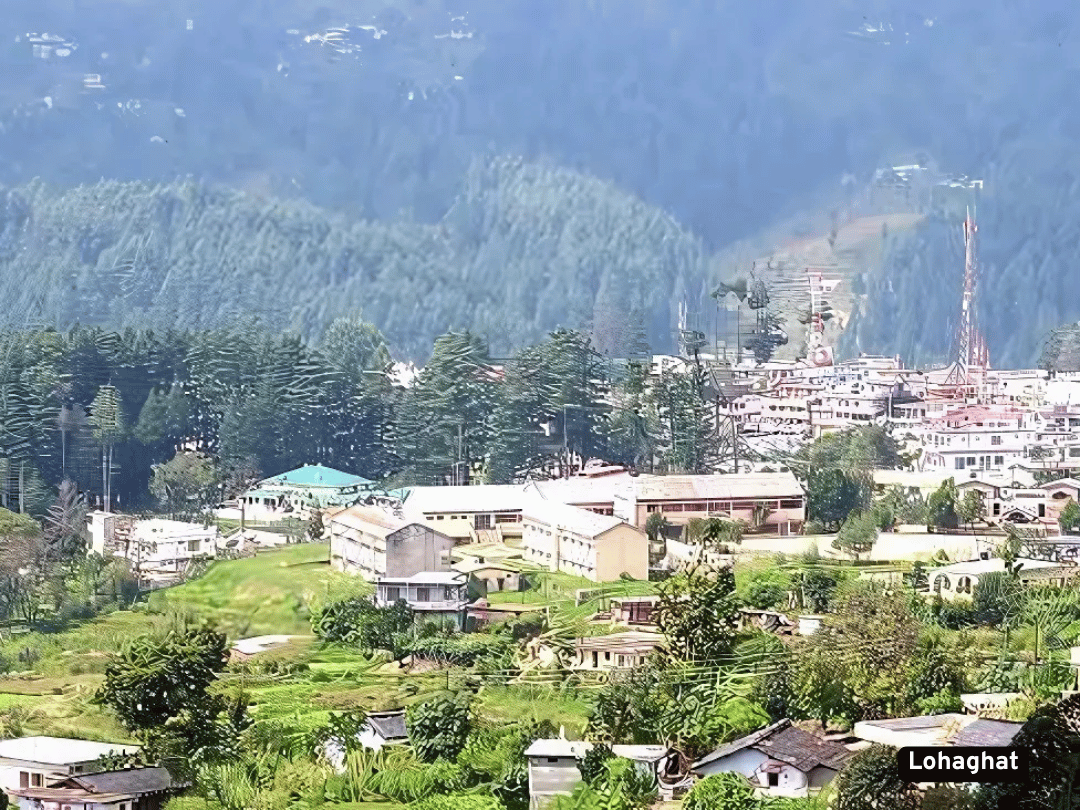
Lohaghat is a serene hill town in the Champawat district of Uttarakhand, nestled along the banks of the Lohawati River. Known for its scenic beauty, colonial charm, and spiritual sites, it serves as a peaceful getaway and a base for nearby attractions like Abbott Mount and Mayawati Ashram.
Lohaghat is a charming hill town located in the Champawat district of Uttarakhand, perched at an altitude of around 1,800 meters above sea level. Blessed with natural beauty, pine forests, and a peaceful atmosphere, Lohaghat is often regarded as one of Kumaon’s most underrated destinations. The town lies on the banks of the Lohawati River and offers a calm and scenic escape from the rush of city life.
This historically significant town was once part of the Chand dynasty's territory and later saw colonial development during British rule. Lohaghat served as a cantonment and administrative center due to its strategic location and favorable climate.
Lohaghat has roots dating back to when the region was part of the Chand dynasty, serving as an important hill outpost. It later gained importance during the British era, functioning as a cantonment and administrative center The town is dotted with historical temples and colonial-era estates like Abbott Mount, reflecting its strategic and cultural significance