
Treks by
March to June & September to November: Clear skies, mild temperatures, and enjoyable sightseeing conditions—ideal for museum visits and nearby cultural exploration. Monsoon Season (July–August): Frequent rain may hamper outdoor navigation, though indoor visits to the museum are still possible. Winter (December–February): Cool and serene—fewer tourists but pleasant indoor conditions with crisp winter sunlight.
By Air: The nearest airport is Gaggal Airport (Kangra Airport), about 13 km from the museum. Taxis and private cabs are readily available outside the terminal. By Road: Dharamshala is well connected by road to cities like Delhi, Chandigarh, and Pathankot. The museum is centrally located near Kotwali Bazaar, just a short walk or rickshaw ride from the main bus stand. By Train: The closest major railway station is Pathankot, approximately 90 km away. From there, taxis and buses provide regular service to Dharamshala.
{}
1,450 meters
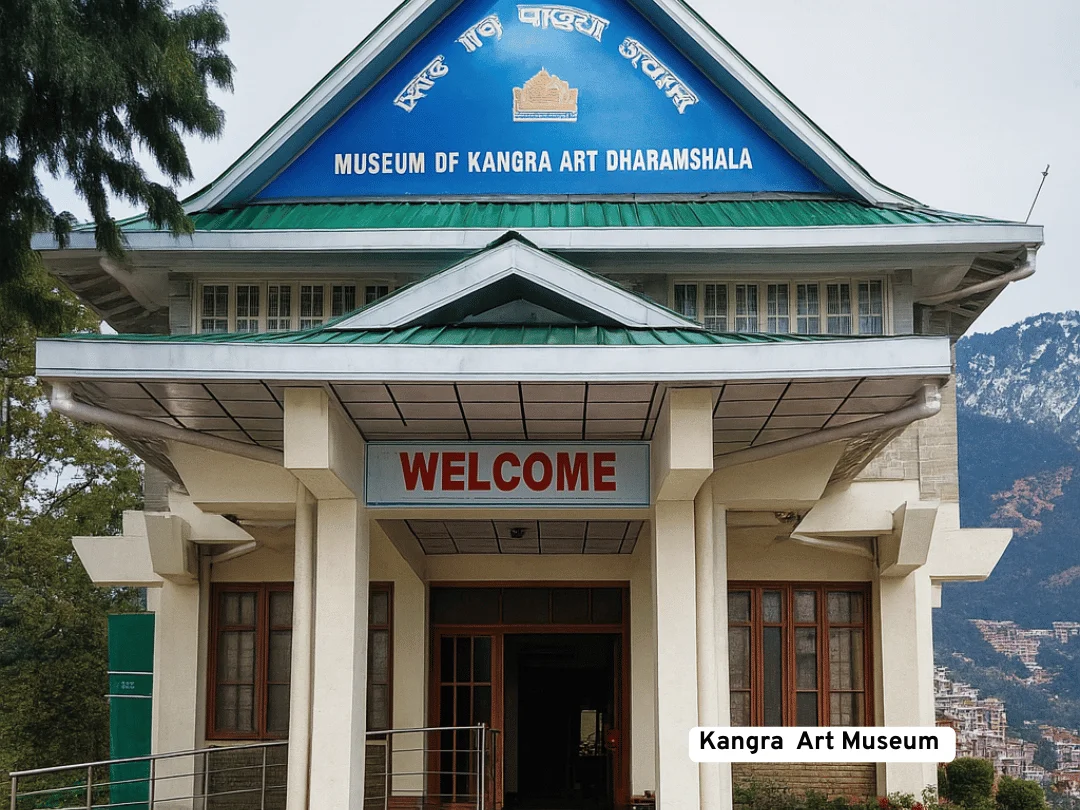
The Kangra Art Museum is a cultural treasure located in Dharamshala, Himachal Pradesh. Dedicated to preserving the rich heritage of the Kangra Valley, the museum showcases traditional Kangra miniature paintings, ancient artifacts, and folk art reflecting the lifestyle and history of the region. Established in 1990, the museum offers a visual journey through time with its curated collections of sculptures, coins, manuscripts, costumes, and jewelry. Its most prized displays are the Pahari-style paintings, celebrated for their detailed brushwork and romantic themes drawn from Hindu epics. Nestled against the scenic backdrop of the Dhauladhar mountains, the Kangra Art Museum is a peaceful stop for art lovers, history enthusiasts, and anyone curious about Himachal’s cultural legacy.
Located in the heart of Dharamshala, the Kangra Art Museum is a vibrant cultural center that captures the essence of the Kangra Valley’s rich artistic and historical legacy. Established in 1990, the museum offers visitors a close look at the traditional art forms, heritage, and folk culture that have shaped this region for centuries.
The museum is most renowned for its exquisite collection of Kangra miniature paintings, a classical Indian art style known for its delicate lines, soft colors, and romantic depictions of divine love—especially tales of Radha and Krishna. These paintings are a part of the larger Pahari school of art, which flourished in the 17th and 18th centuries under royal patronage.
In addition to paintings, the museum also houses:
Ancient artifacts including coins, sculptures, and weapons
Traditional costumes and jewellery from local tribes
Wood carvings, pottery, and rare manuscripts
A tribal art section showcasing Gaddi and other local communities’ heritage
Each exhibit tells a story, not only of the rulers and saints of the region but also of the everyday lives of its people.
Set against the stunning backdrop of the Dhauladhar mountains, the museum building itself is modest yet welcoming, with natural light filling the galleries and wooden interiors reflecting local architecture. It's more than just a display space—it serves as a learning hub for students, artists, and travelers keen on exploring Himachal Pradesh’s intangible cultural wealth.
Interactive displays, periodic exhibitions, and guided tours add depth to the experience, making it suitable for all age groups.
To explore the origins and evolution of Kangra and Pahari art
To understand local traditions and tribal heritage
To enjoy a quiet, enriching break from the usual tourist rush
As a perfect complement to nearby sites like McLeod Ganj, Kangra Fort, and Norbulingka Institute
The Kangra region has long been a cradle of artistic and spiritual heritage in Himachal Pradesh. The Kangra Art Museum, established in 1990, was built to preserve and showcase the legacy of Kangra miniature paintings, which flourished under the patronage of local rulers, especially during the reign of Maharaja Sansar Chand in the 18th century. The museum also documents the evolution of Pahari art, tribal traditions, and Buddhist influence in the region.