
Treks by
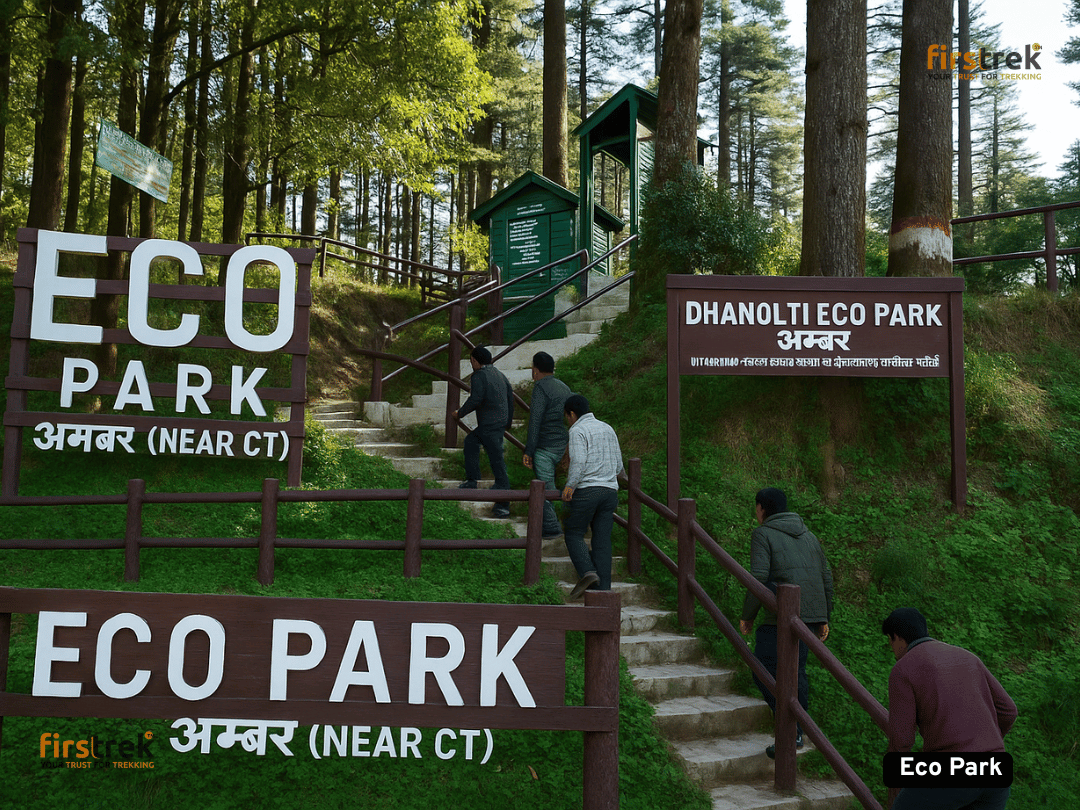
The ideal period to explore Dhanaulti Eco Park is from September to June. During these months, the weather remains pleasant, making it suitable for sightseeing and outdoor activities. The monsoon season (July to August) is best avoided due to heavy rainfall, which can lead to slippery trails and reduced visibility
By Air: The nearest airport is Jolly Grant Airport in Dehradun, located about 83 km from Dhanaulti. From the airport, you can hire a taxi or take a bus to reach Dhanaulti . By Train: The closest railway station is Dehradun Railway Station, approximately 66 km away. Regular taxis and buses are available from the station to Dhanaulti . By Road: Dhanaulti is well-connected by motorable roads. It is about 325 km from Delhi and can be reached via Mussoorie or Chamba. Regular bus services and taxis operate from major cities like Dehradun, Rishikesh, and Mussoorie .
{}
2,286 meters
Dhanaulti Eco Park is a serene and scenic destination nestled in the quaint hill station of Dhanaulti, Uttarakhand. Situated at an elevation of approximately 2,286 meters above sea level, this park offers panoramic views of the majestic Himalayas and is enveloped by dense forests of deodar, oak, and rhododendron trees .
Dhanaulti Eco Park is a pristine natural retreat nestled in the peaceful hill station of Dhanaulti, Uttarakhand. Located at an altitude of approximately 2,286 meters, the park is known for its lush greenery, scenic Himalayan views, and eco-friendly atmosphere. Managed jointly by the Uttarakhand Forest Department and local youth groups, it is divided into two sections—Amber and Dhara, situated about 200 meters apart.
Dhanaulti, and by extension the Eco Park, is a relatively new destination on the Uttarakhand tourism map compared to its more crowded neighbors like Mussoorie and Dehradun. The Eco Park was developed as a community-driven initiative by the Uttarakhand Forest Department in partnership with local youth to promote eco-tourism and generate employment. Over time, it has evolved into a major attraction for travelers seeking tranquility, sustainability, and mountain charm. Though the area doesn’t have ancient historical structures, the broader Tehri Garhwal region holds Garhwali cultural significance, having been ruled by the Panwar dynasty and later integrated into the Indian state after the Tehri princely state was dissolved in 1949.