
Treks by
March to June: Pleasant weather, ideal for sightseeing, photography, and local walks. September to November: Clear skies, cool breeze, and vibrant autumn colors. December to February: Snow-covered landscape perfect for winter lovers, but some roads may be slippery. Avoid July–August: Due to frequent monsoon rains and occasional landslides.
By Road: Dalhousie is well-connected by buses and taxis from Pathankot (approx. 85 km), Kangra, and Dharamshala. By Rail: The nearest railway station is Pathankot, a major junction around 2.5 to 3 hours away by road. By Air: The nearest airport is Kangra Airport (Gaggal), about 110 km away. From there, cabs or buses can be hired. Local Transport: Auto-rickshaws and private taxis are commonly used for local sightseeing.
{}
1,970 meters
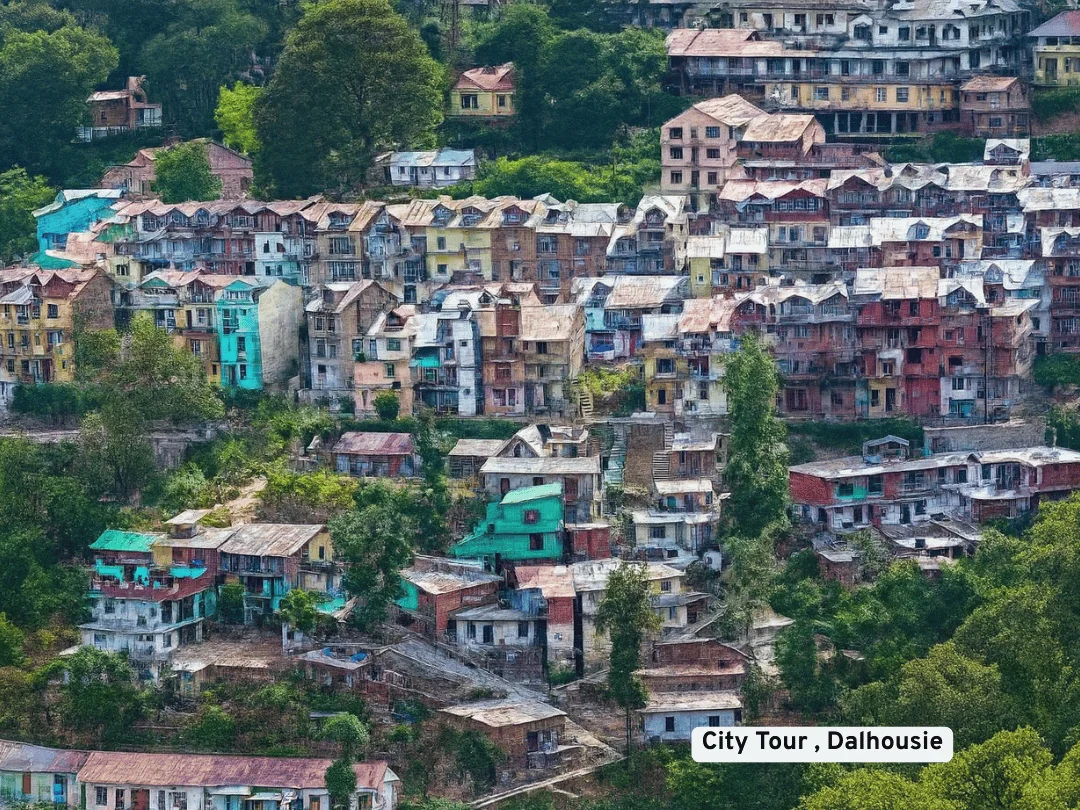
A city tour of Dalhousie offers a peaceful journey through pine-scented hills, British-era churches, scenic viewpoints, and bustling local markets. From the colonial architecture of St. John’s Church to panoramic spots like Subhash Baoli and vibrant areas like Gandhi Chowk, every corner reflects Dalhousie’s old-world charm. Perfect for nature lovers, history buffs, and leisure travelers, a city tour reveals the soulful essence of this hill town tucked away in the Dhauladhar ranges.
A city tour of Dalhousie is like walking through a living painting of pine forests, snow-draped peaks, old churches, and lively hill markets. Founded in 1854 by the British as a summer retreat, Dalhousie retains its colonial-era charm, blending effortlessly with Himachal Pradesh’s natural beauty and local culture. This tour is a perfect introduction to the town's history, nature, lifestyle, and spirituality.
Gandhi Chowk: The heart of Dalhousie, bustling with shops, cafes, and local life. Ideal for picking up handicrafts or enjoying local food.
Subhash Baoli: A peaceful spot named after freedom fighter Subhash Chandra Bose, offering panoramic mountain views.
St. John’s Church & St. Francis Church: Beautiful remnants of British architecture with stained glass windows and tranquil surroundings.
Tibetan Market: Colorful stalls run by Tibetan settlers, offering woolens, artifacts, and souvenirs.
Panjpula & Satdhara Falls: Short drives from town offer natural springs, waterfalls, and picnic spots.
Walk through history while enjoying views of the Dhauladhar range
Discover hidden trails, charming bakeries, and colonial bungalows
Great for photography, relaxation, and slow travel
Easy to explore on foot, taxi, or auto-rickshaw
A complete city tour can be enjoyed in one full day or split across two relaxed days.
Dalhousie was founded in 1854 by the British and named after Lord Dalhousie, the then Governor-General of India. Built as a summer retreat for colonial officers, the town retains its old-world charm through its Victorian-era churches, stone-built schools, and English-style cottages. During India’s freedom struggle, Dalhousie also became a place of quiet reflection and retreat for revolutionaries like Subhash Chandra Bose, who spent time at Subhash Baoli.