
Treks by
March to June: Comfortable days and crisp air—ideal for temples visits and panoramic views. September to November: Post‑monsoon freshness and clear skies reveal the Dhauladhar range in full glory. Avoid: Peak monsoon (July–August) due to slippery paths and heavy rain. Winter (December–February): Cool mornings and pleasant afternoons; fewer visitors and a serene vibe.
By Air: Fly into Gaggal (Kangra) Airport, about 25 km away. From the airport, private taxis or shared cabs head toward Dharamshala and on to Chamunda Devi. By Train: The nearest station is Pathankot Junction (~90 km). From there, buses and taxis travel to Dharamshala, with onward transport available up the hill. By Road: From Dharamshala town, Chamunda Devi Temple is 15 km via a scenic uphill drive, taking around 40–45 minutes by taxi or bus. Parking is available near the base village, followed by a moderate uphill walk (about 500 m) to reach the temple complex.
{}
1,850 meters
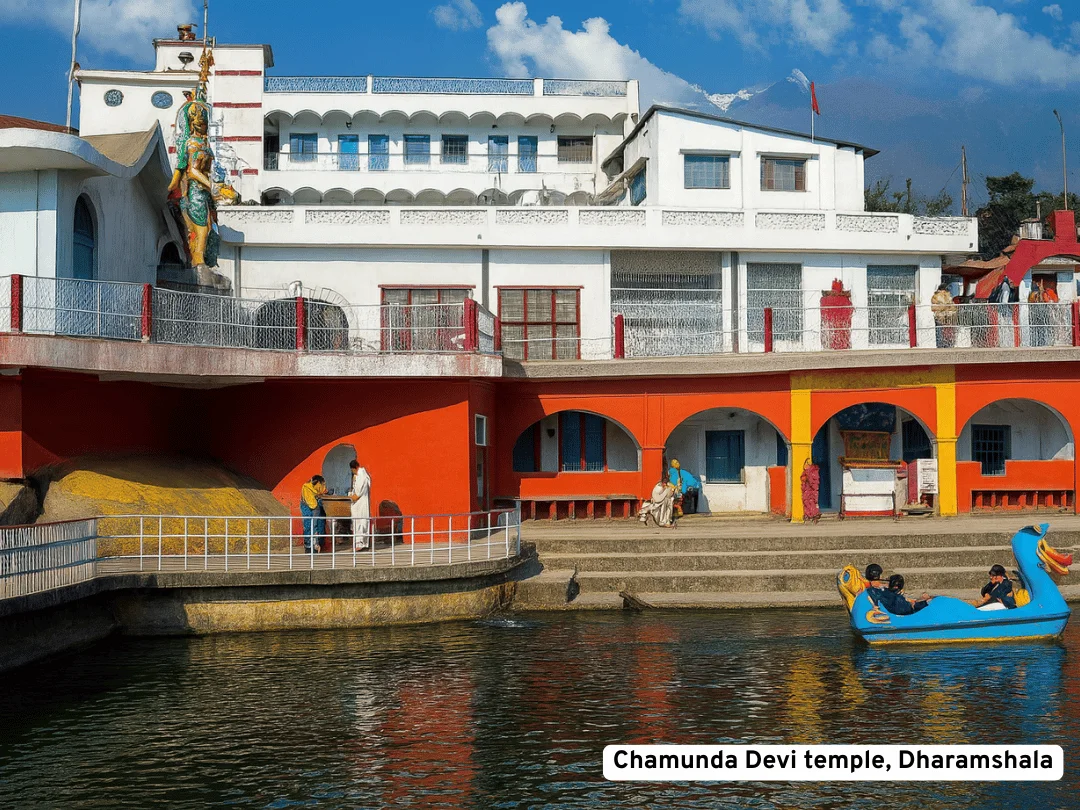
Chamunda Devi Temple, located around 15 km from Dharamshala, is a sacred shrine dedicated to Goddess Chamunda—an embodiment of divine strength and protection. Surrounded by the majestic Dhauladhar hills and resting beside the Baner River, the temple is a significant site for devotees seeking spiritual healing and blessings. The atmosphere is calm and devotional, making it a peaceful destination for prayer and reflection. The temple complex also houses idols of Lord Shiva, Hanuman, and other deities, making it a holistic spiritual site for visitors.
Perched roughly 15 km from Dharamshala town, Chamunda Devi Temple is a revered sacred site devoted to Goddess Chamunda, a fierce manifestation of the Divine Mother associated with protection and inner power. Nestled on a hillside overlooking the Baner River valley and framed by the majestic Dhauladhar mountain range, the temple offers both spiritual solace and breathtaking natural beauty.
The temple is believed to have been discovered and re-established by a holy sage or priest following divine visions urging its relocation from a more cloud-covered peak. Though several centuries old, it continues to radiate vibrant spirituality. The site’s architecture blends simple sanctity with Himalayan stonework, and within the complex, visitors will find shrines dedicated to Lord Shiva, Bhairava, and Hanuman, along with a small sacred pond known as a kund—used by pilgrims for ceremonial cleansing.
Chamunda Devi is revered for her power to fulfill deep-seated prayers and grant longevity. Pilgrims visit daily, offering flowers, incense, and fruit, especially on Tuesdays and Saturdays, considered Auspicious. Key festivals include:
Navaratri (Chaitra & Sharad): During these nine-day celebrations, the temple fills with devotional singing (bhajans), elaborate lighting, and festive offerings.
Diwali: Known locally as the festival of light, it sees the temple illuminated and bathed in joyful prayers.
Scenic Views: The temple terrace offers a stunning panorama of the Himalayas and lush valley—especially during sunrise and sunset.
Dress & Decor: Traditional draping—such as red or yellow scarves—is encouraged as a mark of respect.
Spiritual Experience: The atmosphere is meditative and deeply peaceful, attracting both pilgrims and quiet walkers.
Accessibility: A short uphill trek from the parking area brings you to the temple gates; the path is lined with prayer bells and incense stalls.
To seek divine blessings for protection, healing, and spiritual strength
To witness authentic Navaratri celebrations and the devotion of pilgrims
To enjoy soul-refreshing Himalayan vistas in a tranquil, sacred setting
To connect with local faith-practices and feel the fusion of godliness and nature
Chamunda Devi Temple, located in the Kangra district near Dharamshala, holds centuries of religious significance. The shrine is dedicated to Goddess Chamunda, a fierce and powerful form of Durga who symbolizes destruction of evil. According to legend, the original site of the idol was high in the hills, but due to accessibility issues, it was shifted to its current location after a local priest received a divine message in a dream. The idol was then unearthed and installed with proper rituals. Since then, it has become a prominent pilgrimage spot in Himachal Pradesh, drawing worshippers from across North India.