
Treks by
May to June: Ideal for trekking, green landscapes, and pleasant weather September to mid-October: Crisp air, clear skies, and post-monsoon freshness Avoid: July–August (monsoon and landslides), December–April (heavy snow and road closures
By Air: Nearest Airport: Shimla Airport (~220 km) From Shimla, take a taxi or bus to Rampur and then to Kafnu via Wangtu and Bhaba Nagar By Train: Nearest Railway Station: Kalka Railway Station (~290 km) From Kalka, travel to Shimla and follow the road route to Bhaba Valley By Road: Well-connected by road to Shimla, Rampur, and Reckong Peo Regular buses and shared taxis operate till Bhaba Nagar; private vehicles can go till Kafnu Road conditions vary; 4x4 or experienced drivers are recommended, especially beyond Bhaba Nagar
{}
2,400 to 4,800 meters
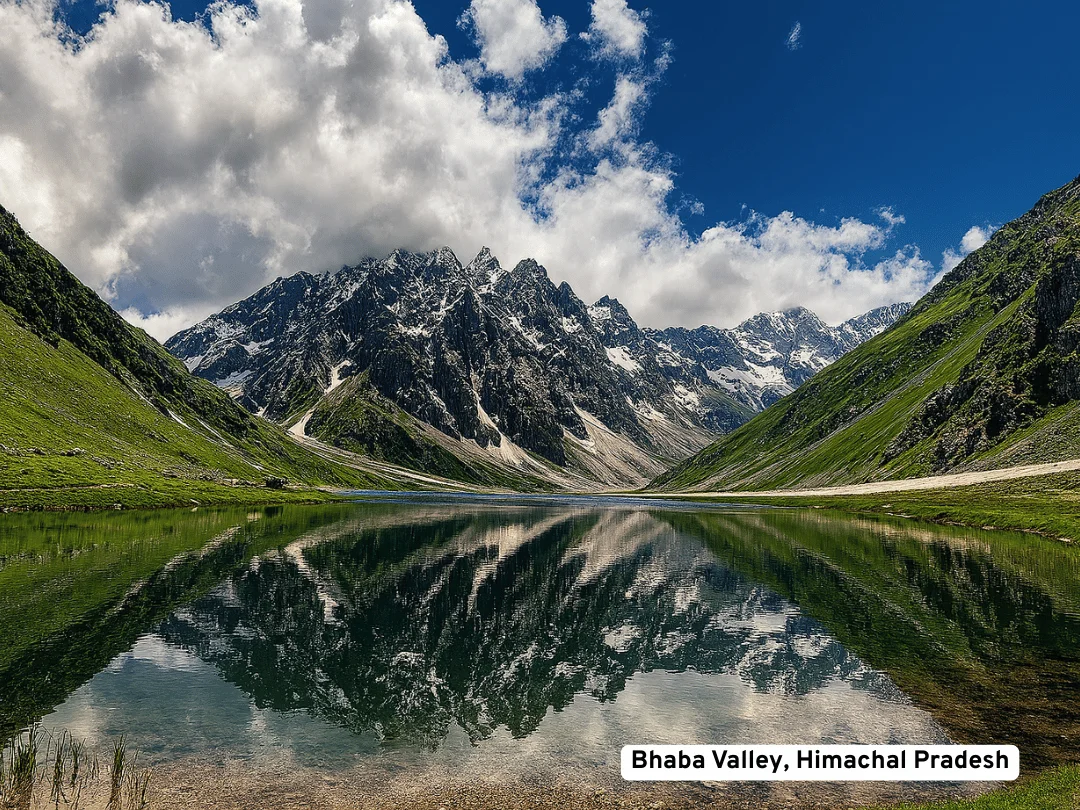
Bhaba Valley, nestled in the Kinnaur district of Himachal Pradesh, is a breathtaking valley known for its dramatic landscapes, alpine meadows, and thick pine forests. Surrounded by towering snow-covered peaks, the valley is home to the stunning Bhaba River and serves as the gateway to the iconic Bhaba Pass Trek, which connects Kinnaur to Spiti. With its peaceful villages, vibrant wildflowers, and untouched charm, Bhaba Valley offers a perfect escape for trekkers, nature lovers, and those seeking solitude away from crowded tourist trails.
Bhaba Valley is a stunning and lesser-known destination tucked deep within the Kinnaur district of Himachal Pradesh. Surrounded by snow-capped peaks and lush green slopes, the valley stretches from the village of Kafnu and rises toward the Bhaba Pass, eventually opening into the Spiti region. Known for its dramatic contrast between dense pine forests and barren high-altitude landscapes, Bhaba Valley offers a perfect blend of scenic beauty and cultural richness.
The valley is carved by the Bhaba River, a fast-flowing glacial stream that adds life to its alpine meadows and deep forests. With every step, travelers encounter apple orchards, vibrant wildflowers, and wooden bridges, making the journey through the valley feel like walking through a painting. As you ascend, the greenery gradually gives way to the stark beauty of the Trans-Himalayan terrain near Bhaba Pass.
One of the most popular experiences in the valley is the Bhaba Pass Trek, which connects Kinnaur to Spiti. Starting from Kafnu, the trek takes adventurers across high-altitude grasslands, rocky trails, and glacial streams, eventually reaching over 4,800 meters at the pass. The transition from the lush Bhaba Valley to the barren Spiti landscape is both dramatic and unforgettable, making it a favorite among seasoned trekkers.
The villages in Bhaba Valley, like Katgaon, Kafnu, and Yangpa, are home to warm and welcoming people who follow a mix of Hindu and Buddhist traditions. Their lifestyle is simple and deeply connected to the mountains. Wooden houses with slate roofs, traditional attire, and local temples speak volumes about their heritage. Life in these villages moves at its own peaceful pace, far from the rush of modern towns.
Food in the valley is hearty and local. Travelers can enjoy dishes like siddu (steamed wheat bread), madra (a lentil and yogurt curry), and simple vegetable stews made from seasonal produce. Homemade apple juice and herbal teas are also common, especially in homestays run by local families.
Bhaba Valley celebrates seasonal festivals with great joy. Local fairs like Bishu mark the arrival of spring, where traditional dances and music fill the mountain air. Many festivals are aligned with the agricultural calendar, while others are rooted in Tibetan Buddhist traditions, especially in the higher villages closer to Spiti.
Bhaba Valley is perfect for those who seek quiet, nature, and authentic experiences. Unlike tourist-heavy destinations, it gives you the chance to walk through untouched trails, stay with locals, and witness the raw beauty of the Himalayas without distraction. Whether you’re a trekker, a photographer, or simply a nature lover, Bhaba Valley will leave you refreshed and inspired.
Bhaba Valley has historically served as a significant trade and migration route between the lush regions of Kinnaur and the cold deserts of Spiti. The ancient Bhaba Pass was used by shepherds, traders, and pilgrims traveling between the two valleys. While not a major political center, the valley has long been inhabited by hardy mountain communities who have preserved their ancestral way of life amid tough terrain and harsh climates. The valley also shares cultural and historical ties with Buddhist regions to the north and Hindu traditions of the lower Kinnaur region.