
Treks by
Ideal visiting seasons are April–June and September–November. Monsoon months (July–August) often bring heavy rains and leeches; winter at higher zones experiences heavy snowfall, limiting access
By Air Nearest: Naini Saini Airport (Pithoragarh) Alternative: Pantnagar Airport By Train Closest broad-gauge stations: Kathgodam (280–310 km) or Tanakpur (204 km) By Road From Pithoragarh: ~54–55 km, drive via well-maintained roads Via Haldwani–Almora: accessible by connecting roads (~150 km from Kathgodam) Public buses and private taxis are available from Pithoragarh, Berinag, and Dharchula
{}
1,106 meters
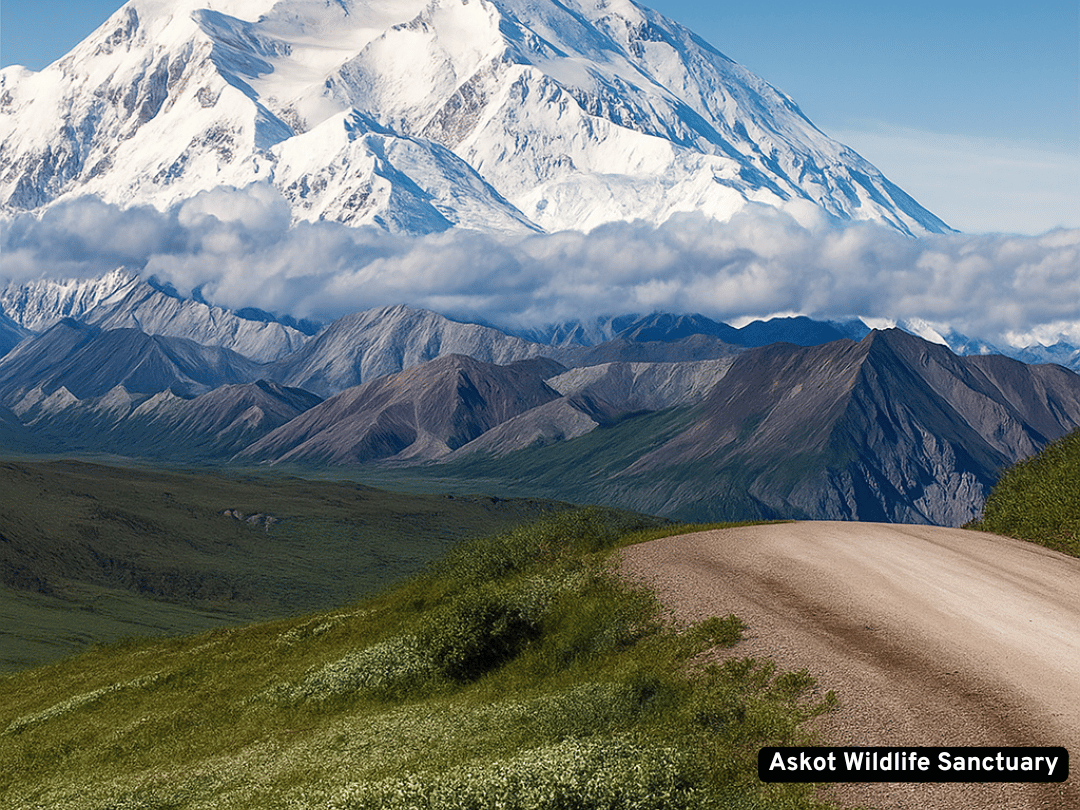
Askot Wildlife Sanctuary, also known as Askot Musk Deer Sanctuary, is a high-altitude protected reserve located in the Pithoragarh district of Uttarakhand, India. Spread over an area of approximately 600 square kilometers, the sanctuary was established in 1986 to protect the endangered Himalayan musk deer (Moschus leucogaster), a rare and shy species native to this region. Nestled amidst the scenic Kumaon Himalayas, the sanctuary is framed by snow-capped peaks, deep valleys, and the rivers Goriganga and Kali, offering a breathtaking blend of biodiversity and natural beauty.
Nestled in the pristine Kumaon Himalayas of Uttarakhand, Askot Wildlife Sanctuary—also known as Askot Musk Deer Sanctuary—is a tranquil haven for nature lovers, trekkers, and wildlife enthusiasts. Located near the quaint village of Askot in Pithoragarh district, this protected area spans over 600 sq. km and ranges in elevation from 600 to 6,900 meters, encompassing a wide variety of terrains, from deep river valleys to alpine meadows and snow-covered ridges.
Established in 1986, the sanctuary was created primarily to conserve the endangered Himalayan musk deer, a shy and elusive species known for its musk gland. Over time, it has become a critical habitat for numerous high-altitude animals and birds, making it a biodiversity hotspot in the Western Himalayas.
Ancient roots & dynastic rule Askot and the surrounding Pithoragarh region trace back to the ancient Manaskhand territory, later ruled by the Katyuri dynasty, followed by their branch, the Rajwar dynasty, from the 13th century onward Chand, Gorkha & British era After Rajwar rule (1279–1588), control passed to the Chand dynasty, followed by the Gorkhas (1791–1815), and ultimately the British Archaeological heritage Nearby regions feature megalithic cup-marked stones (e.g., Pariyadeva Pashan) indicating early human habitation